
"Venezuelan coffee regions"
200 article(s) found

Introduction to the Flavor description region of Ugandan Coffee Bean varieties by Grinding scale treatment
Ugandan coffee beans have a unique flavor of delicate taste, which is very suitable for making Italian and other flavors of coffee. More importantly, Ugandan coffee beans are strictly screened according to the standards of the international market to ensure their high quality and pollution-free characteristics. Africa is the hometown of two major varieties of coffee, Arabica and Robusta, while the eastern Africa enjoys a plateau water hometown and a pearl of East Africa.

Introduction to the types of coffee beans Starbucks Columbia Coffee region
Generally speaking, after two to three years of sowing, coffee trees can grow to a height of about five to ten meters, but in case coffee beans lose their aroma, taste bad, and are easy to harvest, farmers often repair them to about 1.5 to two meters. The change begins to bear fruit three to five years after sowing. The harvest period will be 20 years after the fifth year. The evergreen leaves of the coffee tree, with a pointed tip and two opposite groups.

Coffee producing countries, regions and integration
Bolivian coffee variety: Arabian coffee production: 150.000 bags with snow-capped mountain terrain, vast plateau and tropical rain forest, Bolivia has ideal coffee production conditions. More than 90 per cent of the coffee produced in Bolivia is produced in high-temperature and humid climates, with elevations of 500 to 1600 metres above sea level in the tropics of La Paz. Another very important production area

A brief introduction to the Flavor description region of Ugandan Coffee Bean varieties by Grinding scale treatment
Ugandan coffee beans have a unique flavor of delicate taste, which is very suitable for making Italian and other flavors of coffee. More importantly, Ugandan coffee beans are strictly screened according to the standards of the international market to ensure their high quality and pollution-free characteristics. Africa is the hometown of two major varieties of coffee, Arabica and Robusta, while the eastern Africa enjoys a plateau water hometown and a pearl of East Africa.

Ugandan coffee producing regions that produce only small amounts of Arabica beans
Later, when ships replaced sailboats, people drank fresher coffee beans because of shorter delivery times. But people accustomed to old beans are not used to this fresh taste, so they desperately pursue old Java coffee, so that the Indonesian government and some businessmen deliberately store fresh beans in warehouses for one to two years before selling them to consumers. In fact, aged Java beans are more common than fresh beans.

Introduction to the Grinding scale of varieties in the region where Ugandan Coffee Bean has characteristics, taste and flavor
Introduction to the grinding scale of Ugandan coffee beans in the region of taste and flavor later, when ships replaced sailboats, people drank relatively fresh coffee beans because of the shortened delivery time. But people who are used to drinking Chen beans are not used to this fresh taste, so they desperately pursue old Java coffee, so that the Indonesian government and some businessmen deliberately store fresh beans in warehouses.

Flavor description of Java Coffee Bean A brief introduction to the manor produced in the region
Diseases and insect pests are really a powerful thing. It has greatly reduced coffee production in Brazil and repeatedly influenced the international coffee market. It has also made Sri Lanka, which once planted coffee trees, cut down coffee trees and changed to grow coffee. It also makes Java, which is rich in high-quality Arabica coffee, switch to Romsda coffee for fear of diseases and insect pests, and people regard Arabica Java as a treasure.

Coffee producing countries Coffee varieties Arabica Coffee
Bolivian coffee variety: Arabian coffee production: 150.000 bags with snow-capped mountain terrain, vast plateau and tropical rain forest, Bolivia has ideal coffee production conditions. More than 90 per cent of the coffee produced in Bolivia is produced in high-temperature and humid climates, with elevations of 500 to 1600 metres above sea level in the tropics of La Paz. Another very important production area
General knowledge of boutique coffee introduction to global boutique coffee producing countries
Bolivian coffee variety: Arabian coffee production: 150.000 bags with snow-capped mountain terrain, vast plateau and tropical rain forest, Bolivia has ideal coffee production conditions. More than 90 per cent of the coffee produced in Bolivia is produced in high-temperature and humid climates, with elevations of 500 to 1600 metres above sea level in the tropics of La Paz. Another very important production area

Columbia Coffee producers Association-- introduction to the quality characteristics of Flavor description treatment
Colombian Coffee Bean in 1824, the Colombian and Peruvian coalition forces defeated the Spanish colonial army, and Peru gained independence. During the war with Bolivar's army in Peru, Santander took over as president and presided over the affairs of Colombia. Santander advocated the establishment of a federal regime and United local forces against Bolivar's political proposition of unity and unity. Within the Colombian Congress and government

A unique coffee farm-San Cristobal, Venezuela
One of the many plantations in Merida at the foot of the Andes belongs to the Pablo and Pulido families, an ancient farm that has been allowed to downsize. Since taking over the farm in the early 1980s, the Pulido family has harvested coffee from existing bourbon coffee trees and planted new tree species.

American Coffee producing area Manor Farm introduces how American coffee farmers grow, produce and process coffee beans
Professional coffee knowledge exchange more information about coffee beans Please follow the coffee workshop (Wechat official account cafe_style) A day in the life of a coffee farmer he lives in the traditional coffee area; it was founded by his ancestors a century ago. But he really didn't know where they were; he only cared about his grandparents, who raised him and planted coffee plants, so that he could go to school and

Introduction to West Java Honey Flavor of Indonesian Coffee-Origin of siphon Pot
Introduction to West Java Honey Flavor of Indonesian Coffee-Coffee from the siphon pot is traditionally treated with water. Sumatra and Sulawesi are famous for their Indonesian wet planing wet-hulled, which is locally known as Giling Basah. The drying methods in coffee treatment vary according to the situation: high-priced bed drying in rain shelter, balcony drying, roadside drying and so on.

Description of taste and flavor of Ugandan coffee beans introduction to regional treatment of varieties produced by grinding scale
Introduction to the regional treatment method of Uganda coffee bean taste description, grinding scale variety: a unique African coffee, which is very similar to Indonesian coffee, Uganda coffee bean has a unique flavor and is very suitable for making Italian and other flavors. more importantly, Ugandan coffee beans are strictly screened in accordance with the standards of the international market to ensure their high quality.

A brief introduction to the Origin, Development, History and Culture of Fine Coffee beans in Santa Rita Manor, Colombia
In order to better promote Colombian coffee, the Colombian Coffee Growers Association (FNC) launched a live-action version of Juan based on this image. Waldez. Now the uncle is the third-generation real-life version. Juan on behalf of Colombian coffee farmers? Uncle Valdez, as the ambassador of Colombian Coffee, will travel around the world to promote Colombian Coffee.

Venezuela, the producer of fine coffee in the world.
The distinctive manor coffee comes from this oil-rich country. Oil was once considered to be the main export of Venezuela. Although coffee trees were introduced from Martinique in 1730 and Venezuela, coffee production was almost abandoned at the height of the oil industry. Recently, coffee plantations have begun to recover, with the original planting of Tipica and

Java mocha coffee Indonesian manor flavor description taste treatment method regional varieties
Java mocha coffee Indonesian manor flavor description taste treatment French varieties of Java coffee sold to Europe is a very special kind of coffee. At that time, it was shipped to Europe and the United States by sailboat, and the distance was long and the speed was slow, so it took a lot of time to transport. In this case, the coffee seems to have undergone a special fermentation and has a very unique taste. After

Uganda Coffee Grind Processing Flavor Description Region Features Taste Manor Introduction
Ugandan coffee beans have a unique flavor and fragrance, which is very suitable for making Italian and other flavors of coffee. More importantly, Ugandan coffee beans are strictly screened according to international market standards to ensure their high quality and pollution-free characteristics. Africa is home to Arabica and Robusta, two major coffee varieties, while East Africa enjoys a plateau of water and the pearl of East Africa.

Introduction to the method of regional treatment for flavor description of coffee bean varieties in Uganda
Flavor description of coffee bean producing area in Uganda the regional treatment method of variety production introduces that due to the shortened delivery time, people drink relatively fresh coffee beans. But people who are used to drinking Chen beans are not used to the fresh taste, so they desperately pursue old Java coffee, so that the Indonesian government and some businessmen deliberately store fresh beans in warehouses for one or two years and then sell them to consumers. In fact
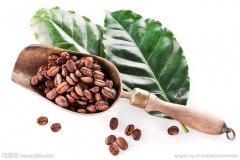
Coffee in Venezuela Other Coffee in Latin America Boutique Coffee
The distinctive manor coffee comes from this oil-rich country. Oil was once considered Venezuela's main export. Although coffee trees were introduced from Martinique as early as 1730 and Venezuela, coffee production was almost abandoned during the heyday of the oil industry. Coffee plantations have recently begun to revive, with the original plantations of Tipica and